Live Betting Odds Shift Analyzer
Analyze Odds Shift
Shift History
| Game/Event | Time | Closing Odds | Live Odds | Shift (%) | Suggestion |
|---|
Odds Shift Trend
Note: This tool compares live odds to the closing line (pregame consensus) to identify value. A positive shift (>5%) suggests a +EV opportunity; a negative shift may indicate overreaction.
User Guide: Live Betting Odds Shift Analyzer
Welcome to the Live Betting Odds Shift Analyzer! This tool helps you identify potential +EV (expected value) opportunities in live betting by comparing current live odds to the closing line (pregame consensus odds). It calculates shifts in implied probabilities and provides betting suggestions based on significant discrepancies. Below is a step-by-step guide to get you started.
How to Use the Live Betting Odds Shift Analyzer
1. Entering Game Details
- Fill in the Details:
- Game/Event (Optional): Enter the event name (e.g., “NFL: Patriots vs. Chiefs”) for easy identification in history.
- Time (Optional): Input the current game time (e.g., “15:30”) to track when the shift occurred.
- Closing Line Odds (American): Enter the pregame closing odds (e.g., -110 for the favorite). This is the baseline market consensus.
- Live Odds (American): Enter the current live odds (e.g., +120). Update this as the game progresses.
- Simulate Updates: Use the “Update Live Odds” button (blue) to randomly adjust live odds by ±10 for testing or simulation purposes.
- Analyze: Click the “Analyze Shift” button (green) to compute the shift and get a suggestion. Required fields are Closing Line Odds and Live Odds.
2. Understanding Odds Shifts
- Calculation: The shift is calculated as ((Closing Implied Probability – Live Implied Probability) / Live Implied Probability * 100). A positive percentage indicates the live odds offer better value than the closing line (potential +EV), while a negative percentage suggests the market has adjusted against your potential bet.
- Example: Closing line -110 (52.38% implied) vs. live +120 (45.45% implied) gives a shift of +15.25%, signaling a value opportunity if in-game factors support it.
- Interpretation and Suggestions:
- Positive Shift (>5%): “Consider betting – potential +EV opportunity” (green text) – Live odds are more favorable than the closing line.
- Negative Shift (<-5%): “Avoid betting – market overreaction” (red text) – Live odds are less favorable.
- No Significant Shift: “No significant shift – monitor further” – Wait for bigger movements.
3. Viewing Shift History
- Table Display: The “Shift History” table shows all analyzed shifts with columns for Game/Event, Time, Closing Odds, Live Odds, Shift (%), and Suggestion.
- Color Coding: Green for positive shifts, red for negative, to quickly spot value opportunities.
4. Analyzing Trends
- Chart: The “Odds Shift Trend” line graph plots shift percentages over time or analyses. Use it to identify patterns in market movements during live events.
- Updates: The chart refreshes automatically after each analysis.
5. Managing Data
- Clear All Data: Click the “Clear All Data” button (red) to remove all history and reset the tool. A confirmation prompt prevents accidents.
- Persistence: Data is stored in your browser’s local storage and persists across sessions unless cleared.
Tips for Best Results
- Accurate Inputs: Use closing lines from sharp books like Pinnacle for the most reliable baseline. Update live odds frequently from your sportsbook.
- Combine with Watching: Always watch the game or follow live stats—shifts alone aren’t enough; consider in-game momentum, injuries, or overreactions.
- Thresholds: Adjust mentally for sport-specific volatility (e.g., higher thresholds for tennis due to point-by-point swings). Track your results over many bets to refine.
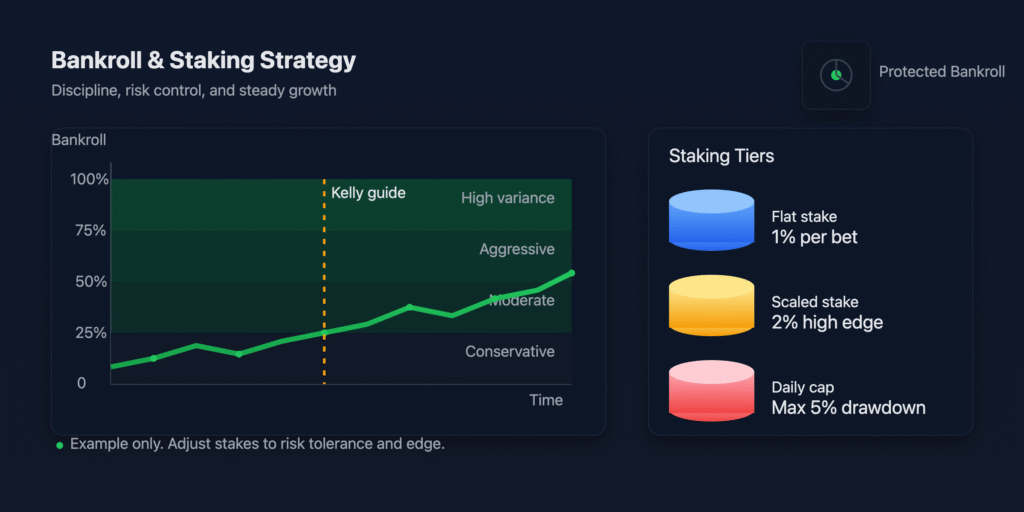
- Bankroll Management: Only bet on significant shifts (>5%) and size stakes based on your edge confidence.
Troubleshooting
- Missing Results: Ensure Closing Line Odds and Live Odds are filled with valid numbers (e.g., -110 or +120).
- Chart Issues: Check your internet connection, as Chart.js loads from a CDN. Refresh the page if needed.
- Data Not Saving: Clear browser cache or try incognito mode if local storage fails.
Sports-Specific Advice: What to Look for in Live EV vs. Closing Line
When using the Live Betting Odds Shift Analyzer, the key is to compare live odds to the closing line (the most efficient pregame probability) to spot +EV opportunities where the market overreacts to in-game events. A positive shift indicates the live odds undervalue the outcome relative to the closing line’s consensus, offering value if your assessment aligns with the game’s true state. Always consider factors like momentum, injuries, and public betting biases, as live markets can be volatile. Below, I outline what to look for in major sports, based on expert strategies. Focus on high-volume betting and tracking CLV over time for long-term profitability. Use tools like this analyzer to quantify shifts, but validate with live observation.
NFL (American Football)
- What to Look For: Early-game angles like red-zone efficiency or defensive stands that cause overreactions. If the closing line was -3 but live spread jumps to EVEN after a slow start, check for +EV if the favorite’s offense regains momentum (e.g., quarterback performance). Fade public bets on favorites after turnovers. Just remember, public emotion = opportunity.
- Considerations: Games have natural stoppages (e.g., timeouts), allowing time to analyze. Watch for halftime adjustments—closing line often holds as the “true” probability, so shifts >5% post-half could signal value. Injuries to key players (e.g., QB) amplify shifts; avoid if the market hasn’t fully priced it in. High-variance plays like field goals vs. closing totals.
NBA (Basketball)
- What to Look For: Momentum swings, such as runs after timeouts or foul trouble. If closing line total for the total over was -110 but live drops to +130 after a cold shooting start, bet over if pace normalizes (e.g., second-quarter explosions). Player props (e.g., points) shift on benchings; compare to closing for EV.
- Considerations: Fast-paced with frequent scoring, so lines move quickly—monitor every 2-3 minutes. Public overreactions to hot/cold streaks; fade them against closing line consensus. Fatigue in playoffs or back-to-backs affects endurance—value in unders if a team tires. Use the analyzer for totals, as they’re more predictable than spreads.
MLB (Baseball)
- What to Look For: Pitcher changes or bullpen mismatches. If closing line moneyline was -150 but live shifts to +150 after an early homer, bet if the starter’s ERA suggests regression (e.g., BABIP luck). Totals value in weather/wind shifts not reflected in closing.
- Considerations: Innings-based structure allows inning-by-inning analysis; focus on middle innings for EV. Public chases home runs—fade overreactions. Closing lines are sharp due to data (e.g., Statcast), so even small shifts (>3-5%) can be profitable. Consider park factors and umpire tendencies; avoid late innings if bullpens are elite.
Soccer (Football)
- What to Look For: Goals or red cards causing panic. If closing line was -125 for a draw but live jumps to +200 after an early goal, bet draw if possession stats show balance (e.g., xG close to closing implied). Corners or cards props for niche EV.
- Considerations: Low-scoring with long stretches of no action, so shifts are gradual—patience key. Closing lines (e.g., Pinnacle) are vig-free benchmarks; live markets inefficient on underdogs. Watch for tactical subs or fatigue in second half; public bets favorites heavily. Halftime is prime for value, as closing often predicts full-time better than live hype.
Tennis
- What to Look For: Break points or set momentum. If closing line was -200 for Player A but live evens out to +100 after a tiebreak loss, bet A if serve stats (e.g., aces) align with closing probability. Game-by-game for granular EV.
- Considerations: Point-based with quick swings—bets must be placed before points start. Closing lines efficient on favorites; value in underdogs during comebacks. Surface (clay vs. grass) and fatigue (best-of-5) matter—overreactions common on breaks. Courtsiding (live at venue) boosts EV but requires travel; use analyzer for remote monitoring.
In all sports, prioritize sharp books for closing lines, shop multiple sportsbooks for live odds, and bet high-volume on small edges for sustainable +EV. Track your CLV live vs. pregame to refine strategies—aim to beat the closing line consistently for profitability. Bet responsibly and consider jurisdiction laws.