BestForGuide Summary verdict
Kalshi is the most mainstream, regulated way to trade “yes/no” event outcomes in the U.S. Its strengths are regulation, transparent fees, and a clean trading interface with order books, limit orders, and API access. It’s ideal for data‑driven users who want to express views on macro, policy, and other measurable events. Downsides include product scope that changes with regulatory approvals, position limits, relatively low liquidity in some markets, and a learning curve for users who expect sportsbook‑style betting.
Pros
- U.S.-regulated exchange model with clear rules and compliance
- Transparent pricing: contracts trade from $0.01 to $0.99 and settle to $1/$0
- Real order books, limit/market orders, and API support
- Markets on macroeconomics, policy, weather, and other measurable events
- Fees are published and easy to model into expected value
- Educational resources and clear settlement criteria
Cons
- Product availability can change with regulatory decisions; certain categories may be paused or restricted
- Liquidity varies by market and time; wide spreads can increase costs
- Position limits and risk caps restrict maximum exposure
- Not a sportsbook: no parlays, boosts, or same‑game markets
- Learning curve for users unfamiliar with order books and contract settlement
What Kalshi is (and isn’t)
- Is: A CFTC‑regulated exchange for event contracts that settle to $1/$0 based on precisely defined outcomes.
- Isn’t: A casino/sportsbook with parlays, odds boosts, or fixed‑odds sports betting UX.
- Comparable to: Prediction markets and binary options on specific, rule‑based real‑world events.
How event contracts work
- Contract structure: Each market asks a yes/no question with a defined resolution source and date.
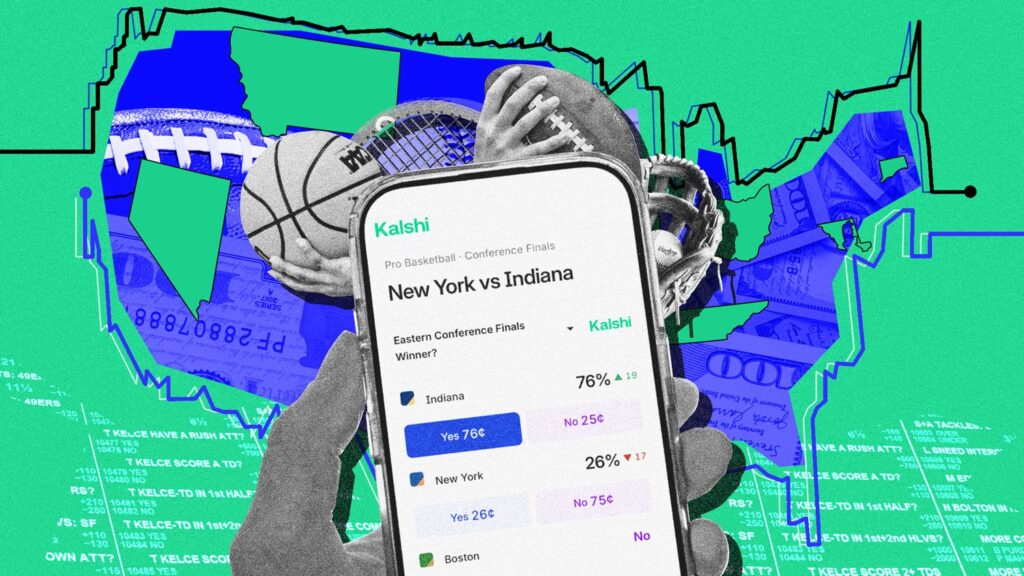
- Pricing: The price reflects the market-implied probability. Example: a “YES” contract at $0.63 implies a 63% probability before fees.
- Payout: At settlement, winning contracts pay $1; losing contracts pay $0. Profit = ($1 − entry price) for YES if event occurs, or (entry price) for NO if event does not occur, minus fees.
- Trading: Place market or limit orders; you can enter and exit positions before settlement to capture price moves.
Key features
- Market categories: Macro data releases (CPI, jobs), Fed policy decisions, GDP prints, weather thresholds, and other measurable outcomes.
- Order types: Market, limit, and cancel/replace; view full depth of book.
- API and automation: Programmatic access for data‑driven traders.
- Risk controls: Position limits by market and account; collateralization via cash balances.
- Transparency: Each market has a rulebook with definitions, data sources, and settlement mechanics.
Fees and limits
- Trading fees: Published per contract traded; fees apply on entry/exit and settlement. Effective cost depends on spreads + fees.
- Settlement fees: Small fee when contracts resolve in-the-money.
- Position limits: Caps per user/market to manage concentration risk.
- Funding: USD funding/withdrawal via supported methods; no novel tokens required.
Liquidity and pricing quality
- Liquidity: Concentrated in headline markets (e.g., CPI, FOMC, high‑profile elections when available). Off-peak or niche markets can have wider spreads.
- Price discovery: Markets often react quickly to data releases and news; pre‑event spreads tighten as interest grows.
- Slippage: Expect more slippage during volatile news windows and thin books.
User experience
- Interface: Clean web app with watchlists, charting of price history, depth, and recent trades.
- Learning resources: Glossaries, examples, and market rulebooks aid onboarding.
- Mobile: Mobile‑friendly site; app availability can vary by platform.
- Onboarding/KYC: Identity verification required; U.S. eligibility rules apply.
Risk and regulation
- Regulation: Operates under U.S. commodity/event‑contract regulation; categories and permissions can evolve with regulator guidance.
- Market suspensions: Certain event classes (e.g., some political categories) may be paused/limited pending regulatory review.
- Counterparty model: Exchange matches traders; funds are held and positions collateralized.
- Responsible use: Event trading involves financial risk; manage position sizing and use limit orders.
How Kalshi compares
- Versus sportsbooks (FanDuel/DraftKings): Kalshi uses a trading UI with order books and $1‑settlement contracts, not fixed odds or parlays. It covers macro/policy/weather rather than team sports. No bonuses/boosts, but transparent fees.
- Versus other prediction markets: Kalshi emphasizes U.S. regulation, fiat funding, and rule‑based, measurable events. Liquidity can be deeper in marquee markets; product scope may be narrower due to compliance.
Who Kalshi is best for
- Data‑driven users who want to trade real‑world outcomes with U.S. regulatory oversight
- Macro/policy watchers who prefer order books and limit orders
- Builders who want API access for systematic strategies
Who should consider alternatives
- Users seeking traditional sports betting, parlays, and promos
- Casual bettors who prefer a simple “pick and bet” interface
- Traders wanting unrestricted categories that may currently be unlisted due to regulatory limits
Getting started: quick steps
- Create an account and complete KYC.
- Deposit USD via supported methods.
- Read the rulebook for your target market (resolution source, timing, edge cases).
- Start with small size; place limit orders to control price and slippage.
- Track fees and spreads in your expected value.
- Manage risk with position limits and, if using the API, automation safeguards.
Tips to trade smarter
- Model the event: Use historical data (e.g., CPI surprises) to form a prior; weigh news and surveys.
- Mind spreads and depth: Post limit orders at mid or better; don’t chase thin books.
- Hedge/exit: You can close positions before settlement to lock in gains or cut losses.
- Beware event windows: Volatility spikes at data release time; plan entries and exits accordingly.
Responsible trading
Only trade with money you can afford to risk. Set personal limits, keep a log, and consider pausing during drawdowns.
FAQ
- Is Kalshi legal in the U.S.? Yes, it operates as a regulated U.S. event‑contract exchange; product scope depends on ongoing regulatory decisions.
- Do I earn $1 on wins? Winning contracts pay $1 at settlement; your profit is $1 minus your entry cost, less fees.
- Can I exit before settlement? Yes—sell your contracts any time the market is open and liquid.
- Are there bonuses? No traditional sportsbook bonuses; fee structure is the primary cost consideration.
- What markets are available? Availability changes—check the app for currently listed categories and rulebooks.
Editor’s note and disclosure
This review is informational and not financial advice. Markets, categories, limits, and fees can change. We may receive affiliate commissions from some regulated partners; availability varies by state and product. Kalshi operates as a U.S.-regulated event contract exchange. It offers event contracts on real‑world outcomes (economy, politics, weather, etc.) rather than traditional sports wagers. Contracts settle to $1 if the event occurs and $0 if it does not. Trading involves market and counterparty risk; fees and regulatory limits apply. This is not investment advice.